

How to Prepare Your Car for a Tow Safely
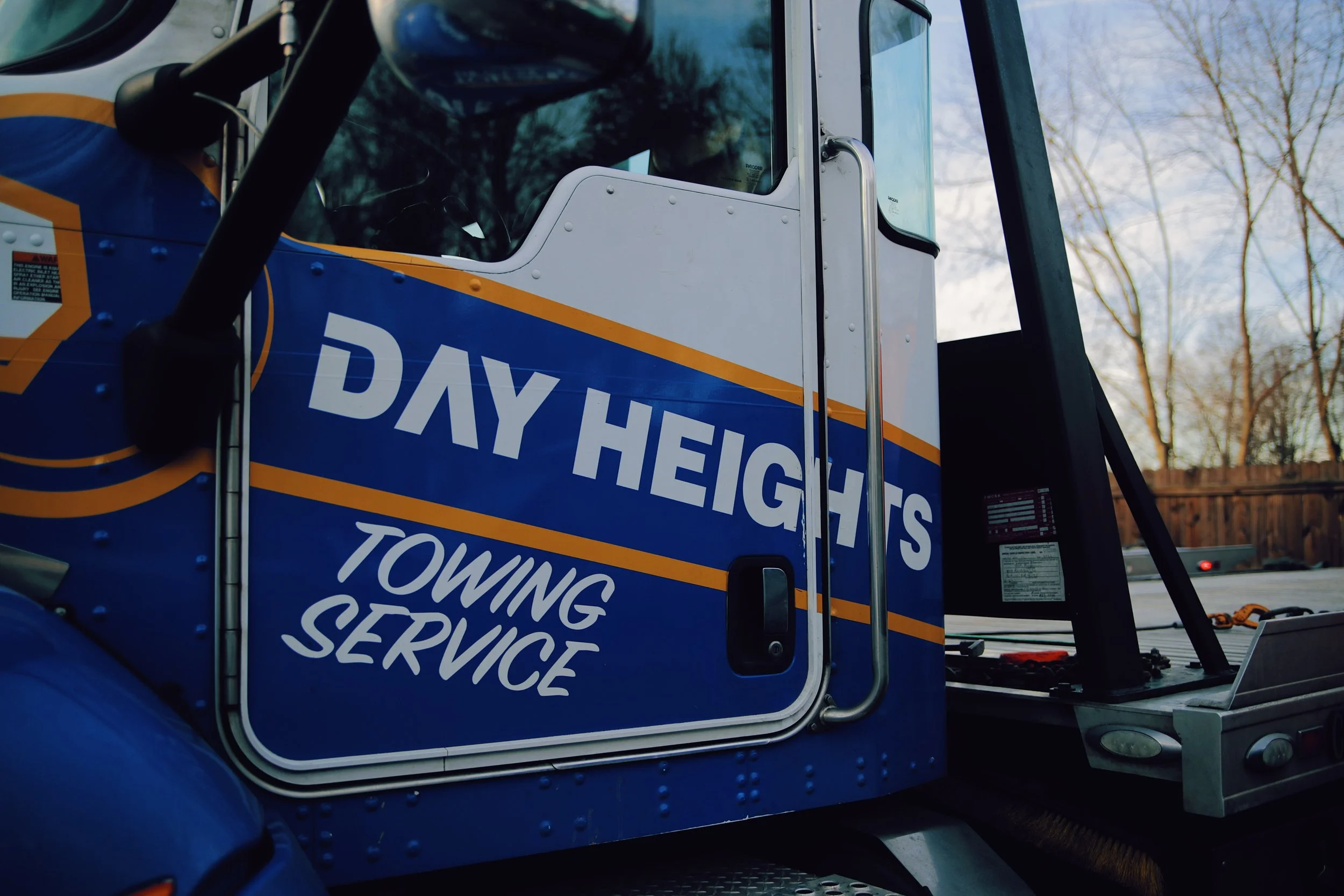
A breakdown can make even a familiar road feel uncertain, especially near traffic. Calling roadside assistance and knowing how to Prepare Your Car for a Tow protects your personal belongings and helps the tow operator load your vehicle safely.
Careful vehicle preparation can prevent damage to keys, brakes, steering, tires, and drivetrain parts. Start with roadside safety, then share accurate details about your car and location before the tow truck arrives.
Key Takeaways
Move the vehicle to a safer location only when it can be driven without risk, and use hazard lights and roadside warning devices when safe.
Remove valuables, gather the keys and required documents, photograph the vehicle, and report visible damage or mechanical problems.
Tell the dispatcher about the drivetrain, vehicle condition, parking location, access problems, and any modifications before the tow truck arrives.
Follow the operator’s directions for the parking brake, steering, wheel placement, and tie-downs to help prevent damage during loading and transport.
Use professional towing equipment for AWD, EV, hybrid, collision-damaged, locked, or non-rolling vehicles instead of attempting an improvised recovery.
Prepare Your Car for a Tow With These Safety Checks
Once you have arranged towing service, move the vehicle to a safer spot only if it can be driven without risk. Turn on your hazard lights, and use reflective triangles or flares as roadside safety precautions if you can place them without entering traffic.
Tell the dispatcher about heavy traffic, poor visibility, ice, standing water, or a narrow shoulder. For local highway stops, an I-275 breakdown safety checklist can help you stay safer while waiting. Never stand between your disabled car and passing traffic. If the shoulder feels unsafe, wait well away from the roadway.
Use this quick list when you Prepare Your Car for a Tow:
Remove cash, electronics, medication, personal paperwork, and your emergency kit.
Photograph each side of the vehicle and any visible damage.
Close the windows, lock loose compartments, and clear access around the car.
Keep the keys and required documents with you until the operator asks for them.
Gather the Keys, Documents, and Vehicle Details
Find the ignition key or smart key, plus a spare key if you have one. Bring the wheel-lock key, registration, insurance information, and the owner's manual instructions for an electronic parking brake or all-wheel drive system.
Let the operator know if the car is locked, stuck in park, unable to shift into neutral, or fitted with unusual equipment. A low-clearance body kit, modified suspension, or aftermarket wheels can change how the vehicle is loaded.
Don't hide a key under the car or leave it in an obvious exterior spot. Also, don't share unnecessary personal information. If the vehicle is locked and you cannot open it, tell the towing company before arrival. A trained operator can handle the situation without forcing a door or damaging a window.
Protect the Brakes, Steering, and Tires Before Loading
The emergency brake may need to stay set until the operator is ready to secure the vehicle. This matters even more on a hill, driveway, or sloped shoulder. Release it only when the tow operator directs you to do so, and report any warning signs involving the brake system before moving the car.
Some wheel-lift towing and dolly towing setups require an unlocked steering wheel. However, never leave a vehicle positioned where it can roll freely. The operator will control the loading process, secure the wheels, and attach the safety chains properly.
Report a flat tire, low tire pressure, bent rims, broken steering parts, fluid leaks, or compromised fluid levels. Also mention collision damage or a vehicle that will not shift into neutral. These details help the driver select the right equipment and prevent uneven weight distribution on the rig.
Choose the Right Tow Setup for Your Car and Its Condition
A proper tow method depends on drivetrain type, transmission, ground clearance, vehicle condition, and where the car is parked. Equipment that works for a front-wheel-drive sedan may not suit an AWD SUV with a locked transmission.
Flatbed towing carries the entire vehicle with all four tires off the ground. Wheel-lift towing raises one end while the other wheels remain on the road. A tow dolly supports two wheels, though it isn't appropriate for every vehicle. Proper placement also helps maintain stable weight distribution on the truck.
Flatbed towing is often the safest option for all-wheel-drive vehicles, luxury cars, major collision damage, and cars that cannot roll or steer. It also prevents sway by keeping weight distribution stable during transport. Manufacturer instructions may require a certain procedure, so the tow provider should confirm the setup before moving your car. Drivers needing 24/7 emergency towing in Milford should describe the vehicle's condition when they call.
What Changes for Automatic, Manual, AWD, and EV Vehicles?
Automatic transmissions often cannot tolerate being towed with the drive wheels rolling. Some models allow it under limited conditions, but the owner's manual controls. Manual-transmission vehicles can also have towing limits based on drivetrain layout and manufacturer instructions.
Dolly towing may work for some front-wheel-drive or two-wheel-drive vehicles, but only with the correct wheel placement and clearance. Improper dolly towing can cause transmission damage when driven wheels rotate during transport.
All-wheel drive and four-wheel-drive systems can suffer expensive transmission damage when the wrong wheels stay on the ground. Flatbed towing usually removes that concern because no tire rolls during transport.
Electric and hybrid vehicles need extra care. Turn the vehicle off, follow its manual's towing instructions, and tell the dispatcher it is an EV or hybrid. High-voltage components, regenerative braking, and electronic parking systems make improvised towing a poor choice. If the tow method is unclear, ask for manufacturer guidance or request a flatbed.
Prepare a Car That Is Parked, Locked, or Hard to Reach
Access problems can affect which tow truck arrives. Tell the dispatcher if your car is in a tight garage, behind a narrow gate, on a steep driveway, near a curb, or stuck in mud or snow. Low ceilings and blocked parking spaces also matter. The operator can match the truck's towing capacity to the recovery requirements.
If keys are missing or the car is locked, say so when booking the tow. Trained operators may use dollies, skates, winches, and auxiliary safety chains when conditions call for them.
Never pull a disabled car with a rope, chain, or another personal vehicle. A sudden shift, broken attachment point, or rolling vehicle can injure someone and cause more damage.
Avoid Costly Towing Mistakes and Confirm the Handoff
Before loading starts, remove personal belongings, including pets, firearms, medication, cash, documents, and loose electronics. Take clear photos of every side of the vehicle, then note the mileage. These records help if you need to compare the car's condition later.
Confirm the destination address and the repair shop or person receiving the vehicle. Tell your roadside assistance dispatcher whether storage is involved. Ask about the estimated price, mileage charges, storage fees, payment methods, and special equipment. Also confirm that the dispatched rig has enough towing capacity for your vehicle.
Keep the keys available, but stand at a safe distance while the tow truck loads the vehicle. Before it leaves, verify that the primary tie-downs and safety chains are properly fastened. Confirm that the vehicle is positioned correctly for balanced weight distribution. After unloading, inspect the car again and save your receipt. If you are comparing providers, these factors for choosing a towing service can help you ask better questions.
Know When You Should Not Move the Car Yourself
Call for professional handling after a crash, engine failure, fuel or coolant leaks, or visible smoke. Damaged suspension, a jammed steering wheel, exposed wiring, a locked transmission, or a vehicle stuck on a slope also require proper recovery equipment.
Trying to force the steering, release a damaged emergency brake, or drag the vehicle can turn a repairable problem into a larger one. Give the dispatcher clear details about the damage, drivetrain, and location so the right truck arrives the first time.
Frequently Asked Questions
What should I remove from my car before a tow?
Remove valuables, medication, cash, personal documents, electronics, pets, and loose items. Keep the keys and necessary vehicle documents with you until the tow operator requests them.
Should I leave the parking brake on during towing?
Keep the parking brake set until the tow operator is ready to load and secure the vehicle. Release it only when directed, especially if the car is on a hill, driveway, or sloped shoulder.
Is flatbed towing safest for every vehicle?
Flatbed towing is often the safest choice for AWD vehicles, EVs, luxury cars, collision-damaged vehicles, and cars that cannot roll or steer. The owner’s manual and the vehicle’s condition should determine the final towing method.
What information should I give the towing company?
Provide your exact location, vehicle make and model, drivetrain type, condition, key status, and any access problems such as a narrow garage or steep driveway. Mention flat tires, leaks, collision damage, locked wheels, or a vehicle that will not shift into neutral.
Can I tow a disabled car with a rope or another vehicle?
No, improvised towing can cause the vehicle to roll, damage attachment points, or injure someone. Call a professional operator with the equipment needed for the vehicle’s condition and location.
A Safer Start to Every Tow
Secure your keys and documents, remove valuables, photograph the car, and accurately report the vehicle condition. Then follow the operator's directions as part of these safety precautions, especially for the brakes, steering, and towing setup.
Traffic and unstable ground are never places for risky repairs or improvised recovery. A trusted local towing company can arrive prepared when you provide clear vehicle and location details. Professional loading supports proper weight distribution and secure transit.