

What to Do First After a Breakdown on I-275 Near Milford: A Step-by-Step Safety Checklist
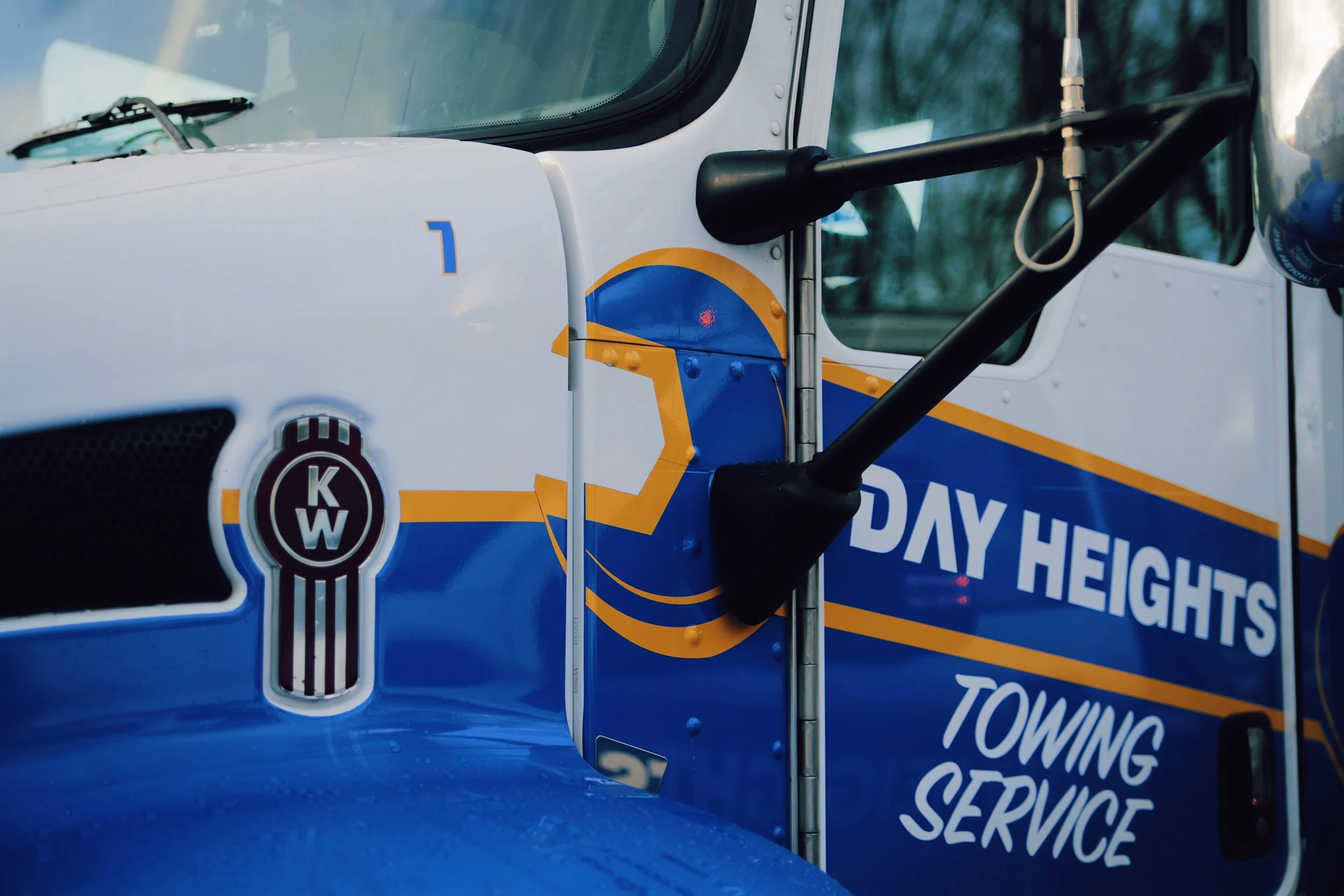
A breakdown on I-275 near Milford can feel like your car picked the worst possible place to quit. Traffic moves fast, shoulders tighten up near ramps, and some curves reduce sight lines. In that moment, safety matters more than diagnosis.
This guide gives you a simple step-by-step checklist for the first minutes, then the next calls to make. The goal is to avoid secondary crashes and get the right help on the way. These steps work for a flat tire, dead battery, overheating, or even a minor crash. When people panic, they often search "Towing Service near me" and click the first result, but the right towing company can also help you choose safer next moves for you and your car.
The first 2 minutes: get out of danger without making it worse
On I-275, the biggest threat after a breakdown is getting hit by a driver who never saw you in time. Your job in the first two minutes is to get predictable, get visible, and get away from moving lanes.
Use this checklist as soon as you sense trouble:
Turn on hazard lights immediately. It tells drivers behind you that you are not moving normally.
Ease off the gas and keep a steady line. Sudden steering makes you harder to read and can cause a spin.
Brake gently and early. A gradual slowdown buys you space and reduces rear-end risk.
Scan for the safest reachable spot. A wide shoulder or an exit ramp that leads to a lot is better than a narrow shoulder.
Aim for the right shoulder if you can. It is usually the safest option on I-275 because traffic is to your left.
Pull as far right as safely possible. Give yourself extra buffer room for opening a door or stepping out.
Set the parking brake and shift to Park. It prevents rolling if the surface slopes near a ramp or curve.
Turn your front wheels away from traffic if you are on the shoulder. If you get hit, the car is less likely to move into lanes.
Stay calm and keep your focus on visibility. Panic leads to rushed choices, especially near Milford exits.
If you're not fully off the roadway, treat every second like a close call. Keep your attention on moving out of lanes, not on the car problem.
Signal, slow down, and choose the safest spot you can reach
Hazards come first, even before you start hunting for a shoulder. Then, make smooth moves. On I-275 near Milford, "safe spot" often means one of these: a wide shoulder, an exit you can take without cutting across lanes, or a parking lot just off the ramp.
If you can reach an exit, take it, but only if you can do it without a sharp lane change. A ramp shoulder can still be risky, since drivers may be braking, merging, or looking over their shoulder. If you can roll into a lot or side street off the ramp, that is usually better.
Sometimes you can't reach the shoulder. Maybe you lost power, or traffic boxed you in. If you're still moving, keep the car centered in your lane while you slow down, then drift to the safest edge you can reach with hazards on. Avoid last-second swerves. Predictable beats fast.
Make yourself visible and protect everyone inside the vehicle
Once you stop, keep hazard lights on. At night, turn on the dome light so passing drivers see people inside. If you carry reflective triangles, only place them if it's truly safe to do so, and approach from the side away from traffic.
Next, decide where people should wait. If you can safely get behind a guardrail, do it. That guardrail is like a shield between you and traffic. If you can't reach one without stepping into danger, stay in the car with seatbelts on.
Kids, older adults, and pets need extra structure in stressful moments. Keep children buckled, keep older passengers seated, and keep pets leashed or in a carrier. Also, never stand in front of or behind the vehicle on the shoulder. Many shoulder collisions happen because a driver drifts a few feet right.
For more details on getting help quickly in this area, see Day Heights Towing's page on 24/7 roadside assistance in Milford.
Call the right help: what to say, what to do while you wait, and when to stay put
After you are stable and visible, your next priority is getting the right response. Who you call first depends on whether people are hurt, whether you are blocking traffic, and whether the vehicle is creating a hazard.
While you wait, keep your phone charged, stay aware of your surroundings, and avoid arguments with other drivers. If you must exit the car, exit from the passenger side when possible, and keep everyone on the far side from traffic.
Don't try to "manage traffic" yourself. Waving cars around can put you in the exact spot a distracted driver will hit.
If anyone is hurt or you are blocking traffic, call 911 first
Call 911 right away if any of these are true: someone is injured, airbags deployed, you see smoke or fire, the car is stuck in a travel lane, you had a near miss, or you simply don't feel safe where you are.
When you speak to the dispatcher, be clear and brief:
You are on I-275, and which direction (eastbound or westbound).
The nearest exit near Milford, or a nearby landmark.
A mile marker if you can see one.
Vehicle description (color, make, model).
Whether anyone is outside the vehicle.
Then follow instructions and stay put unless the dispatcher tells you to move. If you were involved in a crash, Day Heights also explains what to expect with roadside recovery after a crash.
If it is a mechanical breakdown, call a tow, then share these details
If nobody is hurt and you are safely off the road, call for towing or roadside help. Under stress, you might search "Towing Service near me", but it's smarter to pick a local company you can confirm and communicate with. Many Milford and Cincinnati drivers choose Day Heights Towing because they know the area and respond 24/7.
Here's a quick script you can read off your screen:
Location: "I'm on I-275 near Milford, near Exit ___, (eastbound or westbound), on the right shoulder."
More detail: mile marker if available, or the nearest cross street after the exit.
Problem: won't start, flat tire, overheating, warning lights, or crash damage.
Vehicle: make, model, color, and whether it is AWD.
People: how many passengers, and any safety concerns.
Special needs: low clearance, locked steering, or difficult access.
Before the truck arrives, confirm the company name, ask for an ETA, and ask what affects price (hook-up, mileage, storage, after-hours). Don't accept rides from strangers. Also decide the destination early, since that speeds up dispatch.
If you want a deeper read on picking a company when you're stressed, this guide on choosing a towing service in Milford lays out practical factors to check.
After the immediate danger: next steps to prevent a second breakdown and reduce costs
Once help is on the way, think about what comes next. A few calm decisions now can prevent another breakdown later, and they can also reduce repair surprises.
Quick checks you can do safely, and what you should not try on the shoulder
Only do checks if you are in a truly safe spot, like off the exit in a parking lot. On the shoulder of I-275, "simple" jobs get dangerous fast.
This table helps you separate low-risk checks from risky tasks:
Safe checks (only if you're out of traffic)
Look at temp gauge and warning lights
Check fuel level and range estimate
Scan tires visually from a distance
Note smells (burning, sweet coolant odor)
Look for obvious puddles under the car
Don't do this on the I-275 shoulder
Change a tire with tight traffic nearby
Crawl under the car for a leak
Jump-start in an unsafe spot
Open a hot radiator cap
Walk along the highway for "help"
When in doubt, choose a tow to a safer place. Getting off I-275 can be the difference between a minor inconvenience and a serious injury.
If you need a tow instead of roadside work, Day Heights Towing outlines options for emergency towing near I-275.
Document the situation and plan the tow destination
If it's safe, take a few photos of the car's position, dash warnings, and any damage. Write down the time, the location (exit or mile marker), and who you spoke with. Keep receipts if you pay out of pocket, since insurance may reimburse some costs.
Next, choose where the vehicle should go: a trusted repair shop, your home, or a dealership. If it overheated, avoid trying to limp it home. Short drives on a hot engine can turn a small repair into a big one.
Finally, restock your car kit when this is over. In the Milford area, a flashlight, phone charger, water, blanket, and reflective triangles can make a long wait feel manageable.
Conclusion
A breakdown on I-275 near Milford is stressful, but the safest path is clear: move to the best spot you can reach, make the car visible, protect everyone inside, then call the right help and wait smart. Each step lowers the risk of a secondary crash, which is the real danger on high-speed roads. Save Day Heights Towing in your contacts now, so you are not making choices in a panic. When you need towing or roadside help near Milford or Cincinnati, call and share your exact location, then stay protected until the truck arrives.