

Ran Out of Gas Near Milford? What to Do (and What Not to Do) Before Fuel Delivery Arrives
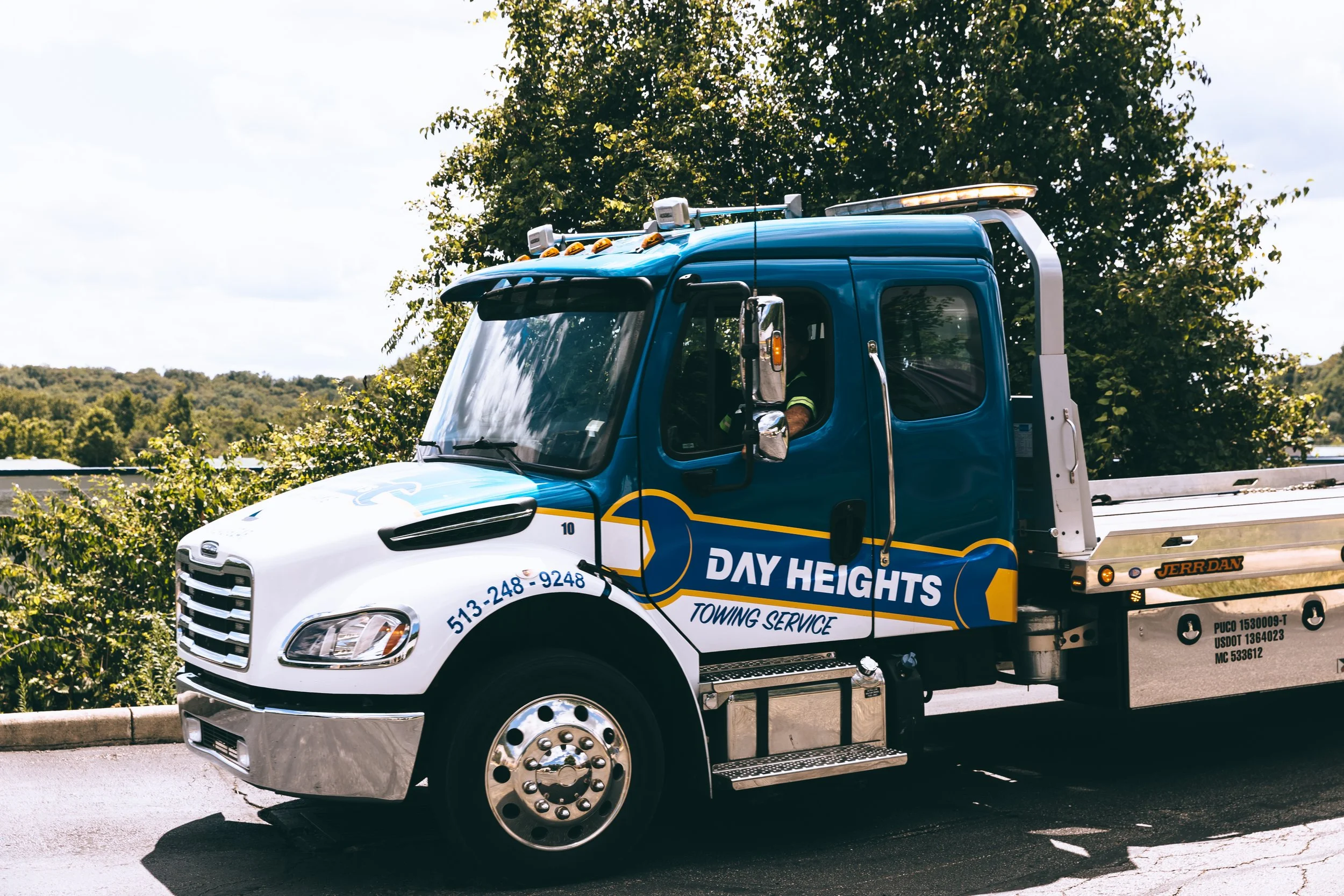
It happens fast. You're cruising I-275, US-50, or OH-28, maybe cutting over near the Little Miami River, and the car starts to sputter. A few seconds later, you're rolling on fumes with traffic flying past.
If you're out of gas near Cincinnati, the goal is simple: stay safe, get seen, and get help moving your car again without taking risks that make things worse. The good news is you can do a lot in the first two minutes to stay in control.
Below is a plain checklist of what to do, what not to do, and what usually happens when fuel delivery shows up around Milford.
Do these 6 things right away to protect yourself and your car
Treat this like a quick, in-order checklist. Your safety matters more than the vehicle.
Turn on hazards right away. Do it as soon as you feel power drop. It buys you space.
Keep momentum, then steer to safety. Coasting is your friend, but only if the move is safe.
Avoid sudden stops in travel lanes. If you can reach a shoulder, ramp, or lot, take it.
Make the car easier to spot. Lights on, hazards on, and use extra reflectors if you have them.
Get yourself out of traffic's path. The most dangerous part is standing near moving cars.
Call for fuel delivery (or towing) with clear details. The right info can cut delays.
If you're in an unsafe spot (a curve, a hill, a narrow shoulder), skip "waiting it out." Your best move may be a tow, not fuel.
Get to a safer spot if you can, then make your car easy to see
First, judge whether you can coast somewhere safer. If the engine is still giving a little power, signal early and drift to the right shoulder. If you're near an exit, a wide ramp beats a skinny shoulder almost every time. A parking lot is even better, as long as you can reach it without crossing lanes in a panic.
On two-lane roads outside Milford, shoulders can be soft or nonexistent. In that case, aim for the widest, straightest spot you can reach. Avoid stopping near blind curves, hills, bridges, or tight turns where drivers won't see you.
Once stopped, keep hazards on. At night, turn on your headlights too so your rear lights stay lit. If you have reflective triangles, set them out if it's safe to do so, but don't walk into traffic to place them.
Where should you wait? If there's a guardrail, stand behind it and away from the flow of cars. If you're on a shoulder with no barrier, stay in the vehicle with your seat belt on until help arrives, unless the spot feels unsafe. In winter, visibility drops fast, and icy shoulders make walking risky.
Call for help with the right details so fuel delivery is faster
Before you call, take 30 seconds to collect details that prevent back-and-forth:
Your exact location (mile marker, cross street, exit number, or a nearby business sign)
Direction of travel (eastbound on US-50 matters, not just "US-50")
Vehicle make and model
Fuel type (gas or diesel)
Any safety issues (on a curve, minimal shoulder, heavy rain, etc.)
Whether you're with kids, older passengers, or pets
It also helps to text a pin drop to a friend, just in case your phone dies or you lose signal. If you need fuel delivery in Milford, out of gas fuel delivery support from Day Heights Towing is built for situations like this. Also, if the car still won't start after fueling, or if it's not safe to wait where you are, Day Heights Towing can help coordinate a tow so you're not stuck making tough calls on the roadside.
What not to do while you wait for fuel delivery
When you're stressed, "quick fixes" feel tempting. Still, a few common moves create bigger problems, especially on I-275 and busy stretches of US-50.
Don't walk on busy roads, and don't accept random roadside fuel
Walking for gas sounds simple until you picture it. Narrow shoulders, fast drivers, and distracted traffic turn a short walk into a real danger. Rain makes it worse, and darkness hides you until the last second.
Personal safety matters too. A stranger offering "help" might be kind, but you can't count on that. Scams happen, and arguments over payment can get ugly.
If you're in a safe parking lot, a friend can bring fuel or pick you up. Otherwise, calling a trusted service is the safest bet. If you want broader help beyond fuel, 24/7 roadside assistance in Milford from Day Heights Towing can cover the next steps if the situation changes.
Don't keep cranking the engine, and don't pour fuel in risky ways
After the car dies, don't keep turning the key "just to see." Repeated attempts can drain your battery and stress the starter. Then you end up with two problems, not one.
Also, be careful with fuel handling. Pouring gas on the roadside brings spill and fire risk, especially if traffic shakes the car or you slip on gravel. Static electricity can ignite fumes, and open containers inside a warm car are unsafe.
If you already have a gas can, leave it sealed and outside the passenger area when possible. Most importantly, wait for a pro if you're in a tight shoulder or heavy traffic zone.
How fuel delivery usually works around Milford, plus when towing makes more sense
Fuel delivery is straightforward, but a few details surprise people. Knowing what to expect helps you stay calm and avoid delays.
What to expect when the fuel delivery truck arrives
When the driver arrives, they'll confirm your location and check that it's safe to serve you. Sometimes they may ask you to adjust your position slightly, for example, turning your wheels or moving a few feet if you can, so they can work away from traffic.
Expect them to confirm the fuel type before dispensing. If you're not sure, check your fuel door or your owner's manual screen. Payment and ID steps vary, but having your phone ready speeds things up.
After fueling, you may need to cycle the key or wait a moment before starting. Many cars start quickly, but some take a few tries without constant cranking. If it doesn't start, don't panic. Roadside conditions and ETAs also change with crashes, construction, and bad weather, so a delay doesn't always mean something went wrong.
Here's a quick way to think about fuel delivery versus towing.
Situation
Safe spot (lot, wide shoulder, straight road)
On a curve, hill, bridge, or blocking a lane
Engine ran fine, then sputtered and died
Won't crank, clicking sound, dim lights
Strong fuel smell, smoke, overheating
Fuel delivery usually fits
Yes
No
Yes
No
No
Towing usually fits
Sometimes
Yes
Sometimes
Yes
Yes
The takeaway: location and symptoms matter as much as the empty gauge.
When it's not just empty, and you should request towing instead
Sometimes the gauge says empty, but the real issue is different. Ask for towing if you notice any of these:
The engine won't crank, or you hear rapid clicking (often battery trouble)
Lights are dim or power cuts in and out (possible charging issue)
Temperature warning lights, steam, or coolant smell (overheating risk)
The fuel gauge has been erratic for days (sensor or gauge issue)
You added fuel, but it still won't start after a reasonable attempt
Safety is the deciding factor too. If you're blocking traffic, sitting near a blind curve, or you just don't feel safe, choose towing and move the vehicle to a controlled place.
Day Heights Towing is a strong local choice for Milford drivers because they can handle fuel shortages and then switch to a tow when the situation calls for it. If you already know where you want to go (home, a trusted shop, or a dealership), it helps to say that on the call. If you need a tow, start with 24/7 towing services Milford so the response matches the risk level.
Conclusion
Running out of gas is stressful, but the safest plan is simple. Get visible, get off the road if you can, and wait out of traffic. Then call with your exact location, direction of travel, and fuel type so help can find you fast. Avoid walking on busy roads, accepting random fuel, or cranking the engine nonstop, because those choices create new problems. Finally, choose fuel delivery or towing based on where you're stopped and how your vehicle is behaving. Save Day Heights Towing in your phone now, so the next roadside surprise in Milford feels a lot smaller.