

How to Safely Tow an SUV During Roadside Emergencies
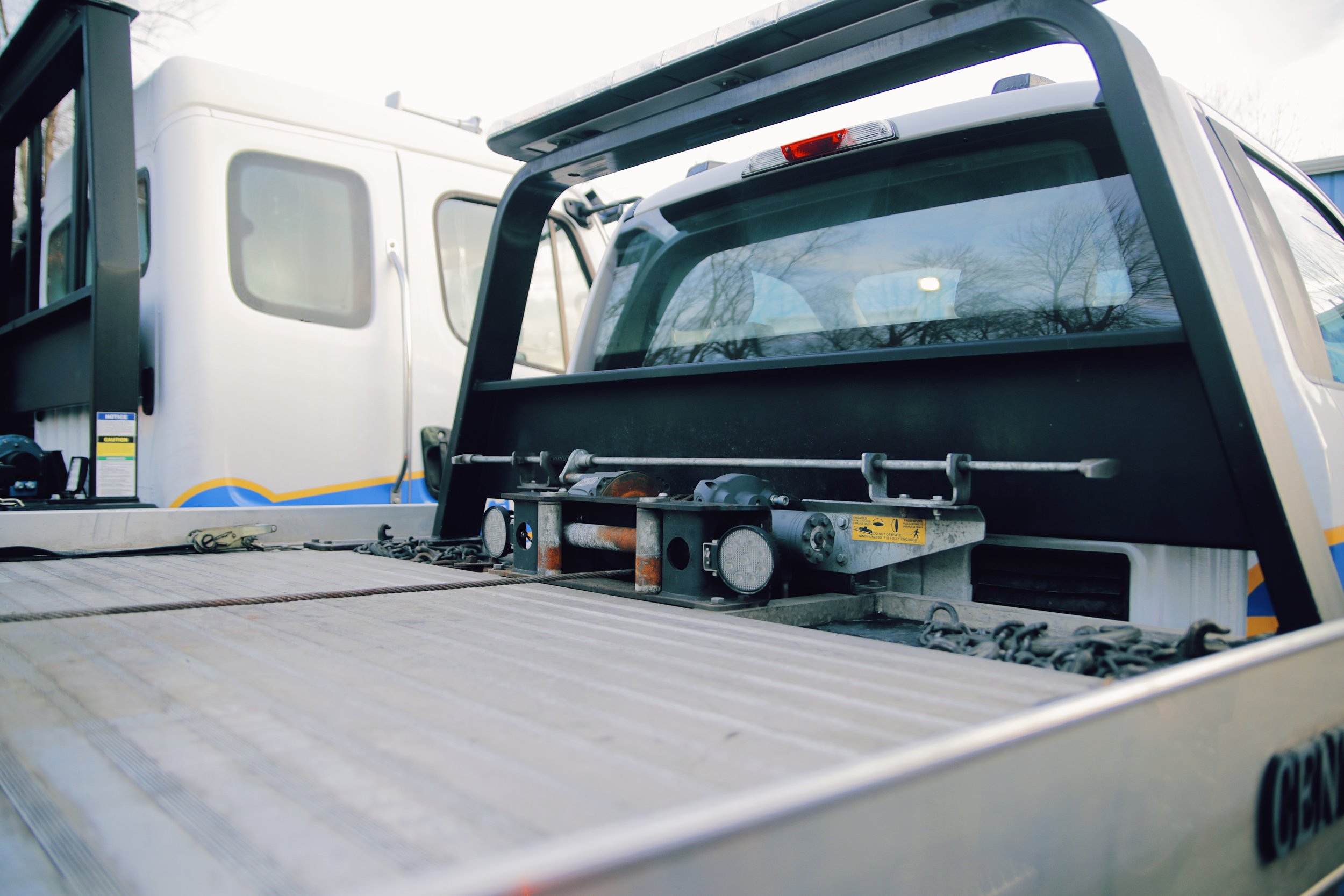
When you're stranded on the side of the road with a malfunctioning SUV, knowing how to safely tow it can save you time, stress, and even money. This guide will walk you through essential tips and techniques for towing an SUV, ensuring both your safety and that of your vehicle. Let’s dive into the critical steps you need to take during roadside emergencies when towing your SUV.
Understanding When Towing is Necessary
Sometimes, a vehicle breakdown or accident necessitates towing. The last thing you want is to be caught unprepared. Understanding the signs that indicate this need, such as engine failure or tire blowouts, is crucial. For instance, if your dashboard lights flash warnings or you hear strange noises, these could be red flags that your SUV is in trouble.
Additionally, external factors can also make towing inevitable. Consider scenarios like being stuck in mud or snow. If your SUV is involved in an accident or can no longer maintain safe operation, towing becomes the best option. Recognizing these situations promptly can help you avoid further damage.
In all these cases, remaining calm and assessing the situation is vital. Check your surroundings and determine whether it’s safe to attempt any repairs or if it’s better to call for assistance. A clear mind can ensure better decision-making.
Essential Safety Equipment for Towing
Before beginning the towing process, it's crucial to have the right equipment lined up. Safety comes first! This includes items like safety chains, which prevent the tow from disconnecting unexpectedly. Additionally, towing lights are essential for visibility, especially during low-light conditions. Many drivers underestimate the importance of these tools.
Moreover, don't forget about wheel straps or ties. These will help in securing your SUV to the tow vehicle, minimizing movement during transport. Having a well-assembled first aid kit is a good idea for emergencies, as is carrying a flashlight for any nighttime mishaps.
Lastly, ensure your towing equipment matches the weight and size of your SUV. Using inadequate tools can lead to serious accidents. So, take some time to check the vehicle's specifications and ensure everything is in order. Proper preparation is the difference between a smooth tow and potentially dangerous complications.
Preparing Your SUV for Towing
Properly preparing your SUV for towing involves several critical steps. First, disconnect the battery; this prevents any electric-related issues while your vehicle is being towed. Next, secure any loose items inside, as they could become dangerous during transit. Even small objects can cause damage if they move around unexpectedly.
Additionally, ensuring that your vehicle is in neutral is paramount. This step is often overlooked, but it plays a significant role in preventing transmission damage. For some SUVs, you might also want to elevate the drive wheels if your manual specifically recommends it.
Lastly, double-check your safety equipment once more before hitting the road. Ensuring everything is securely in place not only protects your SUV but also the vehicles and drivers around you. Taking these precautions can save you headaches right in the middle of an emergency situation.
Choosing the Right Towing Method
There are several methods for towing an SUV, including flat towing and using a tow dolly. Each method has its pros and cons depending on the situation and type of SUV. For example, flat towing, which involves towing the SUV on all four wheels, can be an effective method for all-wheel-drive vehicles. However, make sure to check your manufacturer’s guidelines.
On the other hand, using a tow dolly has its advantages, especially for front-wheel-drive SUVs. It allows the rear wheels to stay on the ground, making it easier to maneuver. Knowing which one to use is crucial and can significantly affect how safely and effectively your vehicle is towed.
In some situations, a more professional towing service may be appropriate, particularly when complications arise. While DIY towing can save money, it’s essential to weigh the risks involved versus the benefits. If you’re unsure, better to err on the side of safety!
How to Safely Tow Your SUV
After setting up your SUV for towing, it's important to follow safe towing practices. This includes maintaining a safe speed, which might feel slower than usual. Remember, your SUV is heavier than other smaller vehicles on the road, so it's essential to drive cautiously.
Using turn signals to communicate your intentions is vital, especially when merging or changing lanes. Keeping a safe distance from other vehicles also helps prevent accidents. More often than not, ensure that you remain aware of the visibility your SUV gives on the road. Adjust mirrors accordingly, as having a clear view can significantly reduce hazards.
Lastly, it’s ideal to watch for sudden stops and to maintain a steady driving pace. Avoiding abrupt movements will enhance your control, keeping both your vehicle and those around you safe during the tow.
Common Mistakes to Avoid When Towing
Many drivers make mistakes when towing an SUV, such as ignoring weight limits. Not checking your towing equipment can lead to disastrous results and could potentially damage your SUV. Ignoring safety checks can have serious consequences, so make it a ritual to double-check everything.
Another common pitfall is failing to inform other drivers about your intentions on the road. When you don’t use your turn signals or brake lights properly, you increase the risk of an accident. Clear communication is key to safety, especially when towing.
Lastly, not correctly loading items within the SUV can lead to dangerous imbalances during the tow. Prioritize even weight distribution and always verify that everything is secured before departing. By sidestepping these mistakes, you can ensure safer travels.
What to Do After Successful Towing
Once you've successfully towed your SUV, knowing the next steps is just as important. Safely unloading the vehicle should be a top priority; make sure that you’re in a secure area to do this. The last thing you want is for your SUV to roll unexpectedly while you’re trying to unhitch it.
After unloading, conduct a thorough inspection for any possible damage. Check both your SUV and the towing vehicle for scratches or mechanical issues. Even small problems can escalate if left unaddressed. It’s essential to resolve any issues before heading back on the road.
Finally, the next step involves planning for necessary repairs. Whether it’s calling a mechanic or dealing with insurance, make sure you have a clear plan in place. Being organized after a towing operation helps reduce stress and can guide you through subsequent challenges effectively.
Final Thoughts on SUV Towing
Remember, towing an SUV is not just about knowing how to attach the towing equipment. It's about ensuring you're safe, following the right procedures, and being aware of your surroundings. By following the guidelines provided in this article, you'll be well-prepared to handle roadside emergencies with confidence. Stay safe out there!