

AWD and 4WD Towing Mistakes That Damage Drivetrains
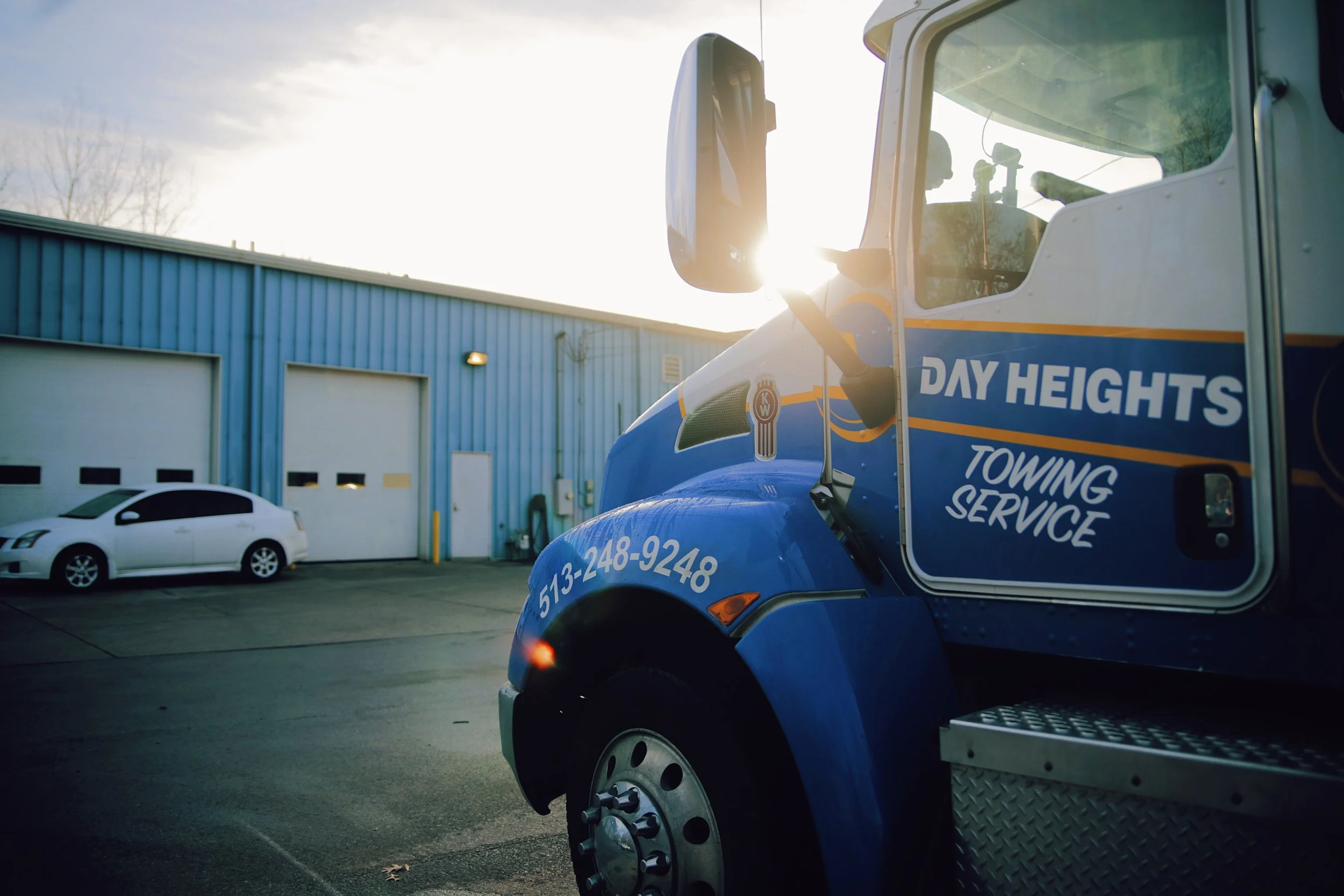
An all-wheel drive or four-wheel drive vehicle may require a different recovery method from a two-wheel-drive car. Rotating the wrong wheels can strain transfer cases, differentials, axles, transmissions, or tires, causing drivetrain damage and turning a roadside problem into an expensive repair.
Knowing What to Tell the Tow Operator helps a roadside assistance provider dispatch suitable equipment before arriving. Sharing your vehicle's drivetrain details can protect its components and help recovery go more smoothly.
Key Takeaways
AWD and 4WD vehicles can require different towing methods because improper wheel rotation may damage transfer cases, differentials, axles, transmissions, or tires.
Tell dispatch the vehicle’s year, make, model, drivetrain type, current drive mode, condition, and any modifications before equipment is sent.
Follow the owner’s manual for neutral tow modes, speed limits, distance limits, and flat-towing approval; never assume AWD or 4WD makes four-down towing safe.
A flatbed is often the safer choice for full-time AWD, unknown drivetrain settings, collision damage, locked wheels, severe tire damage, or a vehicle that cannot shift into neutral.
Inspect the vehicle after unloading for warning lights, leaks, tire damage, unusual noises, vibration, or steering changes before driving further.
AWD and 4WD towing safety: Mistakes That Can Damage a Drivetrain
All-wheel drive sends power to all four wheels, either full time or as conditions require. Four-wheel drive often lets the driver select modes such as 2H, 4H, or 4L.
Systems differ by make, model, trim, and year. Their torque distribution may depend on a center differential, electronically controlled clutches, or selectable modes. Traction control, off-road capability, and changing driving conditions also affect how these systems behave.
During a tow, wheels may rotate at different speeds than they would while driving. Improper rotation raises transmission safety concerns and can cause drivetrain damage.
Using a two-wheel tow when all four wheels must be lifted
Putting only the front or rear wheels on the road can cause driveshafts, differentials, or a transfer case to rotate. On some vehicles, that rotation can create heat and internal stress.
Flatbed towing is often safer for vehicles that require all wheels lifted, but the method must be approved for that specific model. A wheel-lift setup and dollies may also work when the manufacturer permits them.
Flat towing means towing with all four wheels on the ground. It isn't interchangeable with a wheel-lift method, even when both procedures appear suitable.
Ignoring the owner's manual, neutral mode, or driveline limits
Don't assume that pressing an AWD, 4WD, or neutral button makes a vehicle safe to tow. Some models require a neutral tow mode, a transfer case setting, a battery procedure, fuse removal, or strict speed and distance limits.
Guessing is especially risky when the vehicle won't start, the gear selector is stuck, or warning lights are active. If you have the owner's manual, check its emergency towing instructions, and don't automatically apply a recreational-towing procedure to an emergency recovery.
Letting locked 4WD or tire damage complicate the tow
Towing with 4H or 4L engaged on dry pavement can build driveline windup. A locked differential, mismatched tire sizes, flat tires, or a stuck parking brake can add more resistance.
Snowy conditions can mask wheel spin and changing traction, while locked driveline components can still resist movement. Release the parking brake only when it's safe and the vehicle is secured.
After a collision or mechanical failure, don't force the vehicle to move. The operator may need dollies, a winch, or another recovery method instead of dragging it. A transfer case setting may also need verification before movement begins. A vehicle that will not roll freely needs an equipment plan before the tow begins, not after the wheels are already moving.
What to Tell the Tow Operator Before Your AWD or 4WD Is Moved
Whether you need roadside assistance or emergency towing, accurate details help dispatch send the right truck, tools, and operator.
During the call, share these points:
Give the year, make, model, trim, and whether the vehicle has all-wheel drive (AWD), full-time AWD, selectable four-wheel drive (4WD), or part-time 4WD.
State whether it starts, shifts into neutral, rolls freely, has a dead battery, a flat tire, or collision damage.
Mention the current drive mode, including 2H, 4H, 4L, or any dashboard warning lights.
Provide the exact location, nearby cross streets, parking lot conditions, or hazards such as a steep driveway.
Tell dispatch about oversized tires, lift kits, aftermarket wheels, or modified driveline parts.
Share vehicle details and the problem, not just the location
Say what happened before the vehicle stopped moving. A dead battery is different from a seized wheel, failed transmission, or transfer case problem.
If available, keep the owner's manual with its towing instructions ready for the operator. Also mention whether the vehicle is stuck in mud, snowy conditions, a ditch, or a parking garage. These conditions can change the equipment needed for safe loading.
Can You Use Flat Towing for an AWD or 4WD Vehicle?
Flat towing means towing with all four wheels on the ground. It’s allowed only when the manufacturer specifically approves it for that model.
Some models require the transfer case in neutral or a designated neutral tow mode. Others prohibit four-down towing or impose strict speed and distance limits. Verify the procedure for your exact vehicle and never assume approval based on AWD or 4WD alone.
An unapproved flat towing setup can damage the driveline. If the vehicle isn’t approved for four-down towing, the operator should use an approved alternative.
Ask for the right equipment and confirm the loading plan
You can say, "My vehicle has AWD or 4WD. Will you send a flatbed or an approved wheel-lift setup?" Dispatch may also need to match the recovery truck’s towing capacity and equipment to the vehicle and site.
Then ask how the operator will secure the vehicle and handle locked wheels, steering trouble, or a non-running engine. The operator should choose the method after assessing those conditions on site.
How to Prevent Drivetrain Damage During the Tow
Safe towing begins before the truck hooks up. First, move people away from traffic if possible, turn on hazard lights, and avoid pushing a disabled four-wheel drive vehicle into position.
The tow operator should inspect the tires, wheels, steering, suspension, transmission, and transfer case before choosing a method. Rated straps and manufacturer-approved attachment points reduce the risk of mechanical damage, since suspension parts and driveline components aren't lifting points.
Know When Flatbed Towing Is the Safer Choice
A flatbed often makes sense for full-time AWD, unknown drivetrain settings, collision damage, severe tire damage, a locked unit, or a vehicle that can't shift into neutral. Keeping all wheels off the road limits unwanted rotation and helps prevent drivetrain damage.
Still, a flatbed must be loaded correctly. A stuck or damaged vehicle may require winch-assisted loading or recovery service before it can reach the bed safely.
Check the Vehicle After Unloading
After the tow, look for new warning lights, fluid leaks, tire damage, steering changes, unusual noises, or vibration. Don't keep driving if the vehicle feels unsafe or behaves differently.
Take photos, review the tow paperwork, and arrange an inspection before driving further if you suspect damage or mechanical damage. The manufacturer's towing instructions in the owner's manual should guide the next steps.
Frequently Asked Questions
Is flatbed towing safer for AWD and 4WD vehicles?
A flatbed is often safer because it keeps all four wheels off the road and limits unwanted drivetrain rotation. However, the operator still needs to follow the manufacturer’s instructions and load the vehicle correctly.
Can every AWD or 4WD vehicle be flat towed with all four wheels on the ground?
No. Flat towing is approved only for certain models and may require a neutral tow mode, transfer case setting, or strict speed and distance limits. Check the owner’s manual for the exact vehicle before moving it.
What should I tell the tow operator about my AWD or 4WD vehicle?
Provide the year, make, model, trim, drivetrain type, current drive mode, and whether the vehicle starts, shifts into neutral, and rolls freely. Also mention collision damage, flat tires, warning lights, locked wheels, modifications, and hazards at the location.
Can a vehicle be towed with 4H or 4L engaged?
Towing with 4H or 4L engaged can create driveline windup, especially on dry pavement, and may increase resistance during movement. The operator should verify the transfer case setting and use an approved recovery method before towing.
What if the vehicle will not roll freely?
Do not force it to move or drag it with the drivetrain locked. The operator may need dollies, a winch, or another recovery method after assessing the brakes, wheels, steering, transmission, and transfer case.
A Careful Tow Starts With Clear Information
An AWD or four-wheel drive tow call requires more than an address. State the drivetrain type, vehicle condition, current drive setting, and towing instructions.
These details help operators choose the right approach for your vehicle. When you need roadside assistance around Milford or Cincinnati, choosereliable towing in Milford and Cincinnati with operators prepared to assess AWD and 4WD recovery needs.