

Accident Tow vs. Breakdown Towing: What Drivers Should Expect
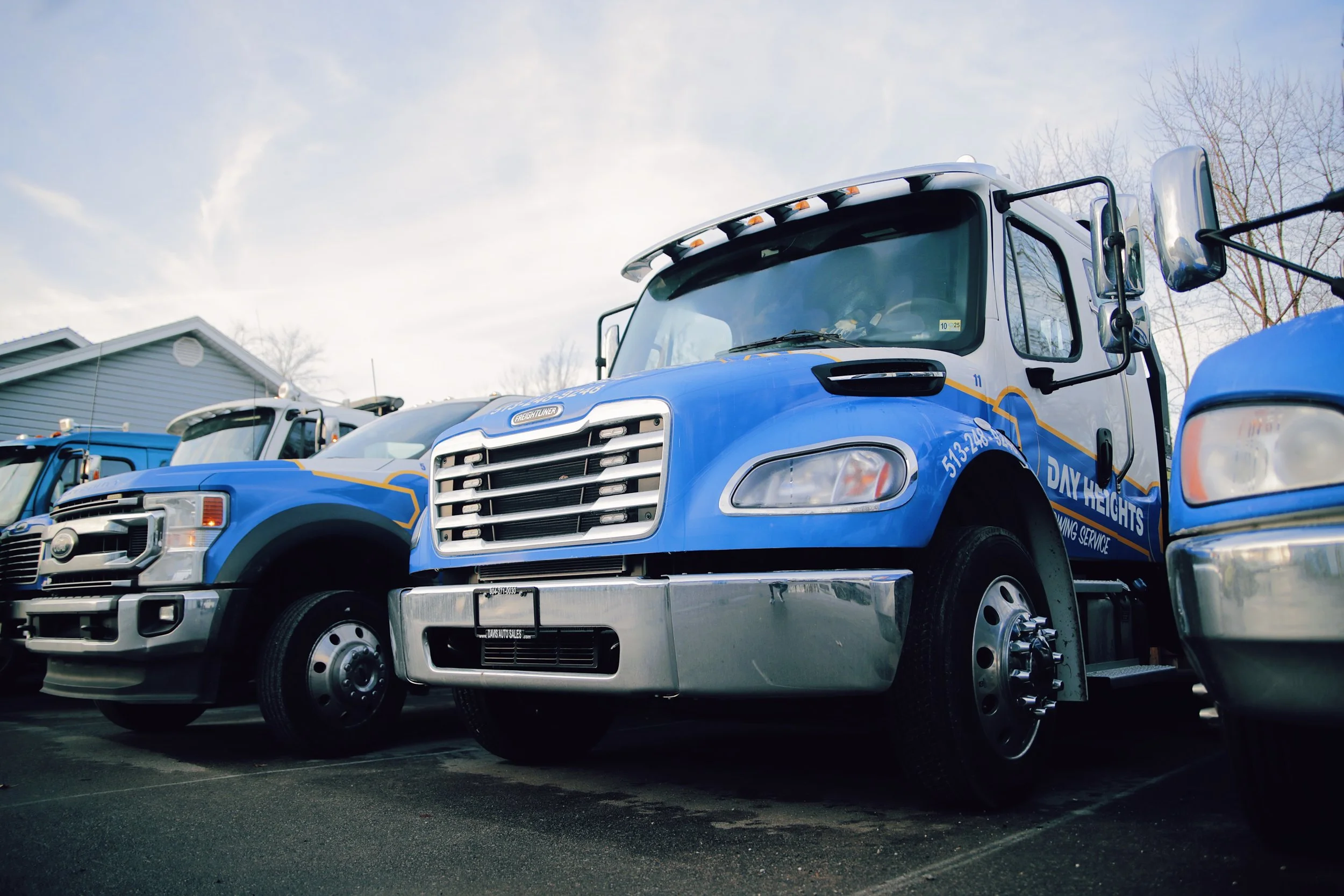
A vehicle that won't move always feels urgent, but the right response depends on what happened. Accident towing and breakdown towing both get your car off the road, yet they involve different risks, equipment, paperwork, and safety steps.
After a crash, damage you can't see may make driving dangerous. After a mechanical failure, a quick roadside repair may be possible. Knowing the difference helps you give the dispatcher the right details and avoid added stress.
Accident Tow vs. Breakdown Towing: The Main Difference
An accident tow is needed after a collision has left a vehicle unsafe to drive or stuck in a hazardous position. The car may have damaged wheels, broken steering, deployed airbags, leaking fluids, or body parts dragging on the road. Recovery crews must first protect the scene, then load the vehicle without causing more damage.
Breakdown towing is for a vehicle that stops working without a collision. Common causes include a failed battery, engine overheating, transmission trouble, or a mechanical problem that can't be fixed safely at the roadside.
The best towing method depends on the vehicle's condition, where it sits, nearby traffic, and whether it can roll and steer. A car parked in an empty lot needs a different approach than one facing the wrong direction after a crash on a busy road.
When You Need an Accident Tow After a Crash
Call for an accident tow when your vehicle has serious damage, disabled brakes or steering, fluid leaks, deployed airbags, or cannot be driven safely. A running engine does not mean the car is safe to move.
The tow operator may use a flatbed, wheel lift, winch, or recovery equipment. A winch may be needed when a vehicle has left the roadway, landed in a ditch, or stopped in an unsafe position.
Police, your insurer, or a roadside assistance provider may give instructions about where the vehicle should go. If officers are managing the scene, follow their directions before arranging transport. Don't drive a crash-damaged vehicle to "see if it feels okay." Hidden damage can affect steering, braking, tires, and suspension.
When a Breakdown Tow Is the Right Choice
A breakdown tow makes sense when a dead battery, flat tire, empty fuel tank, starter failure, alternator issue, overheating engine, or transmission problem leaves you stranded. Some issues can be handled on-site, such as a jump-start, fuel delivery, or tire change.
However, towing is safer when a repair can't be completed quickly or driving could make the problem worse. Continuing to run an overheated engine, for example, can lead to more severe damage.
Breakdowns usually don't involve a crash investigation. Still, traffic creates its own danger. Pull off the road when possible, turn on hazard lights, and stay visible while help is on the way.
What to Expect When You Call for Either Type of Towing
The first call sets up the whole service. Give the dispatcher a clear description of your location and vehicle condition. They can then send equipment that fits the job instead of arriving with a truck that can't safely load your car.
Arrival times can change because of traffic, weather, distance, road closures, or an earlier recovery call. Accident scenes may also require coordination with police before the truck can work.
For drivers in Milford and the Cincinnati area, 24/7 professional towing services in Milford can provide the right type of help when a vehicle can't safely continue.
Information the Towing Company Will Ask For
Share as many of these details as you can:
Your exact location, direction of travel, nearby cross streets, or a recognizable landmark
The vehicle's make, model, color, and license plate number
Whether the issue is a crash, flat tire, dead battery, overheating problem, or another mechanical failure
Visible collision damage, injuries, leaking fluids, blocked lanes, or airbag deployment
Your preferred repair shop, dealership, home address, collision center, or storage location
Photos can help the dispatcher understand crash damage, but only take them if you are safely away from traffic. After an accident, mention police involvement and any insurance instructions you have received.
How Accident Recovery Differs From a Normal Pickup
Accident recovery often takes longer than a routine vehicle pickup. The operator may need to avoid damaged bumpers, wheels, suspension parts, or loose panels while loading the vehicle.
A car may need winching before it reaches the flatbed. This can happen in a ditch, a parking lot median, or after the vehicle comes to rest at an awkward angle.
The operator may document existing damage, ask for the keys, and remind you to remove personal items. Breakdown towing is often more straightforward, although locked wheels, low clearance, and all-wheel-drive systems can still require special handling.
Where Your Vehicle May Be Taken
Your vehicle may go to a repair shop, dealership, collision center, your home, an impound lot, or a secure storage yard. Confirm the destination before the truck leaves the scene.
Ask about storage fees, business hours, release rules, and documents required to retrieve the vehicle. For crash damage, your insurer may recommend a collision center. Still, you should know who approved the destination and who will pay the towing bill.
Costs, Safety, and Choosing the Right Towing Service
A low advertised price doesn't always show the final cost. The safest choice is a qualified company that can handle your vehicle's condition and explain potential charges before work starts.
If you need help selecting a provider, these factors for choosing a towing service can help you compare service quality, equipment, and pricing.
Why Accident Towing Can Cost More Than Breakdown Towing
Tow pricing may include a hook-up charge, mileage, after-hours service, waiting time, storage, difficult loading, winching, or special recovery equipment. Accident towing can cost more when damage prevents normal loading or when the vehicle is hard to reach.
A breakdown tow may cost less when the car is in a clear parking area and rolls normally. Before authorizing service, ask for an estimated price, likely extra charges, accepted payment methods, and whether your insurance or roadside plan may reimburse you.
Safety Steps to Take Before the Tow Truck Arrives
After a crash, call emergency services if anyone is hurt or there are hazards such as fire, fuel leaks, or blocked traffic lanes. Move to a safer area if you can do so without risk, then turn on hazard lights.
During a breakdown, pull as far from traffic as possible. Remain in your locked vehicle when roadside conditions are dangerous, and don't attempt repairs in an active lane.
Do not accept an unrequested tow from a truck that arrives without clear identification or dispatch information. Confirm the company name and destination before handing over your keys.
Questions to Ask Before Approving the Tow
Ask these questions while the details are still clear:
Is the company licensed and insured?
What equipment will be used for my vehicle?
What is the estimated total cost, including possible extra fees?
Where will my vehicle be taken, and are storage charges involved?
Can I ride in the tow truck, and what keys or documents do you need?
Stress can make it easy to miss details after an accident. Confirm truck markings, payment terms, and the drop-off location before the vehicle leaves.
A Safer Way to Handle a Disabled Vehicle
Accident towing focuses on recovering a damaged vehicle without worsening the situation. Breakdown towing usually handles a vehicle that has stopped running but has not been in a collision.
Describe the situation accurately, follow scene safety rules, and confirm both price and destination. Calling a qualified towing provider early can prevent added damage, traffic danger, and long delays.