

Engine Overheating in Cincinnati, Quick Moves That Prevent Damage
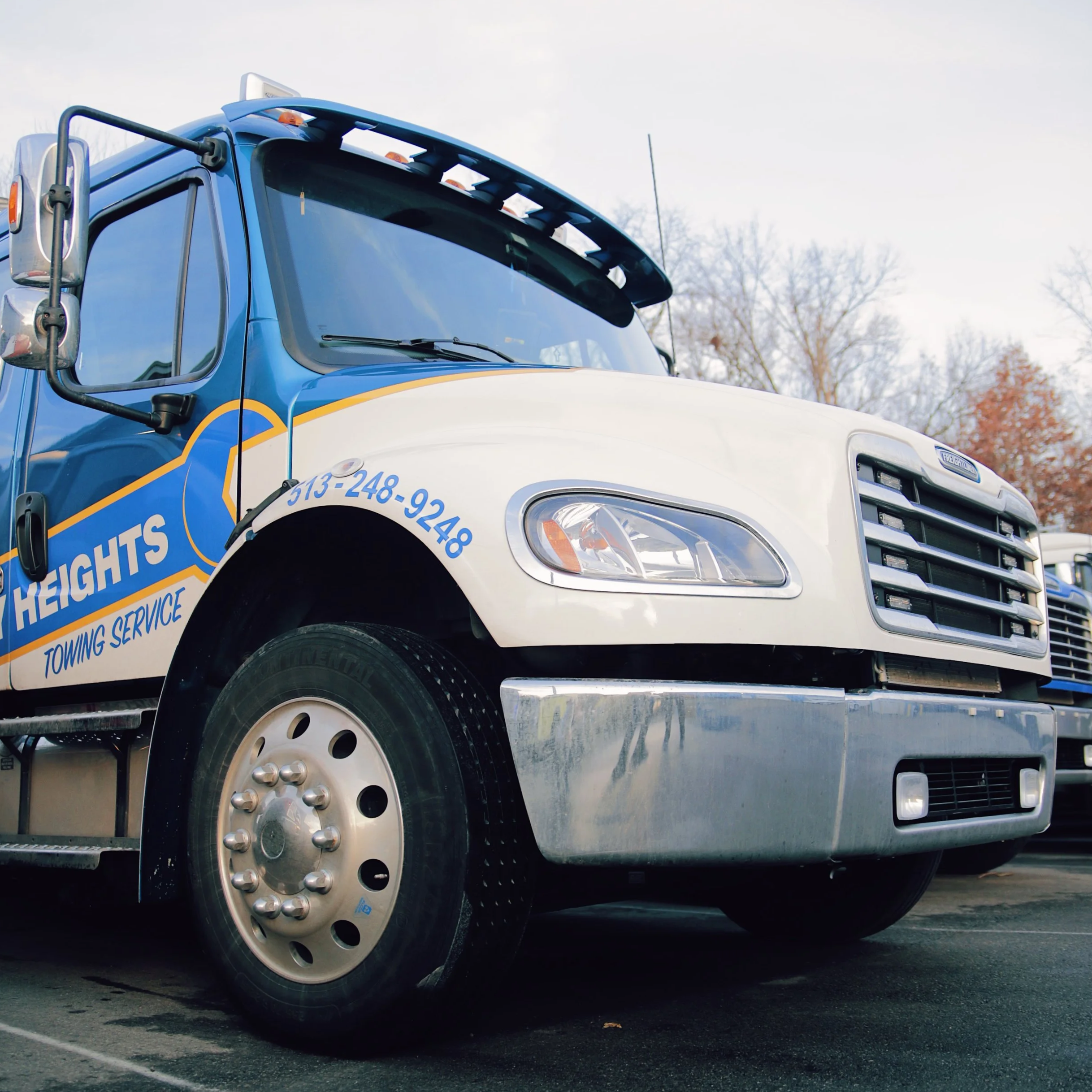
You're creeping along I-275, the AC is on full blast, and traffic barely moves. Then the temperature gauge starts climbing. At that moment, a small case of engine trouble can turn into a ruined engine if you keep driving.
Overheating doesn't always start with steam pouring from the hood. Sometimes it begins with small warnings that are easy to brush off. The good news is that a few calm moves can limit damage, protect your safety, and help you decide when it's time to call for help.
Know the warning signs before the temperature climbs too far
Most overheating problems don't appear out of nowhere. In many cases, the car gives you a few clues first. If you catch them early, you have a much better shot at avoiding major engine trouble.
What the dashboard, hood, and heater may be telling you
Start with the temperature gauge. If it moves higher than normal, pay attention right away. The same goes for a dashboard warning light that looks like a thermometer or says the engine is too hot.
You may also notice steam from under the hood. That can look dramatic, but even before steam shows up, the car may smell hot or slightly sweet. That sweet smell can point to coolant leaking or burning off.
Another clue is a sudden drop in power. If the car feels weak on hills or sluggish in traffic, overheating may be part of the problem. Some vehicles also push the engine into a reduced-power mode to protect it.
The heater can send odd signals too. If it suddenly blows cold air when it should be warm, coolant may not be moving the right way. On the other hand, extra-hot air can mean the system is struggling and pushing heat where it can.
If the gauge is rising, getting off the road early is safer than trying to make the next exit.
Why Cincinnati traffic and weather can make overheating worse
Cincinnati driving can be rough on a cooling system. Summer heat adds stress fast, especially when you're stuck in stop-and-go traffic near downtown or crawling through road work.
Long idle times matter because airflow drops when the car isn't moving. A weak fan, low coolant level, or failing hose may not show up on an easy drive, but heavy congestion can bring the problem out.
Hills can make things worse too. Climbing with a hot engine, especially with passengers and the AC on, puts extra strain on the system. Bridge traffic and slow highway backups can do the same. That's why ordinary engine trouble can turn serious during a routine local drive.
Pull over safely and take these quick steps to limit engine damage
When an engine overheats, speed is not your friend. A short stop to cool down is far safer than pushing ahead and gambling on luck.
Turn off the AC, turn on the heat, and get to a safe spot
First, shut off the AC. That reduces some of the load on the engine. Then turn the heater on high, even though it's uncomfortable. It can pull some heat away from the engine and buy you a little time.
Next, move to a safe place as soon as you can. A wide shoulder, parking lot, gas station, or side street is better than sitting in a live traffic lane. Put on your hazard lights and stay predictable.
Don't slam on the brakes or make a risky move across traffic. If the car still runs, guide it calmly to safety. If power drops hard, focus on steering and stopping where you won't put yourself in danger.
If you're stuck roadside and need help fast,24/7 roadside assistance in Cincinnati can be the safer option than trying to nurse the vehicle farther down the road.
Shut the car off and never open a hot radiator cap
Once you're parked safely, turn the engine off. That stops more heat from building. If you can do it safely, pop the hood latch and raise the hood carefully. That helps trapped heat escape.
Keep your hands away from the radiator cap. Don't twist it. Don't test it. Don't cover it with a rag and hope for the best.
A hot cooling system is under pressure. Opening the cap too soon can release boiling coolant and steam in a flash. That can cause serious burns. Waiting is the smarter move.
Check for obvious problems only after the engine cools down
After the engine has cooled for a while, look for simple signs of trouble. Check the ground for a coolant puddle. See if you spot a loose hose, a split hose, or a broken belt.
If your vehicle has a coolant tank you can view from the outside, inspect the level only after things have cooled down. Low coolant can explain the overheating, but it doesn't tell you why it got low. There may be a leak that needs repair before you drive again.
Stay out from under the vehicle. Also, skip roadside repairs if you're not comfortable or you don't have the right tools. A quick guess can turn a manageable problem into a bigger one.
Know when it is safe to drive again, and when to call for a tow
Some overheating cases cool down and stay stable long enough for a short drive to a nearby repair shop. Others do not. The hard part is knowing the difference.
Signs you should not keep driving
If the engine overheats again soon after restart, stop. That means the problem is still there. Heavy steam, coolant pouring out, or a warning light that won't go away are also strong signs to stay parked.
Listen to the engine too. Knocking, ticking, or rough running can mean heat has already started causing damage. The same goes for loss of power or a car that feels like it may stall.
Driving in those conditions can lead to warped metal parts, a blown head gasket, or complete engine failure. That repair bill can jump from inconvenient to painful in a hurry. When the cause is unknown, towing is often the cheaper choice.
Why calling Day Heights can be the safer next move
If your car won't cool down normally, don't guess. Professional towing makes sense when you're stranded on a busy road, dealing with traffic, or unsure whether the engine is safe to restart.
That matters even more in the Cincinnati area, where narrow shoulders, hot weather, and highway congestion leave little room for error. Day Heights can help get your vehicle off the road and to a safer place without adding more engine trouble.
And if the breakdown comes with extra stress, such as getting locked out while handling the situation, having one local company that handles towing and unlocking can make a bad day easier to manage.
A rising temp gauge isn't something to push through. The safest move is usually the simplest one, stop driving, let the engine cool, and avoid risky shortcuts.
That one choice can protect your engine, your wallet, and your safety. If overheating leaves you stuck in the Cincinnati area, contact Day Heights for safe help on the roadside and a tow when driving again isn't worth the risk.