

After a Fender Bender, When to Move Your Car and When to Leave It
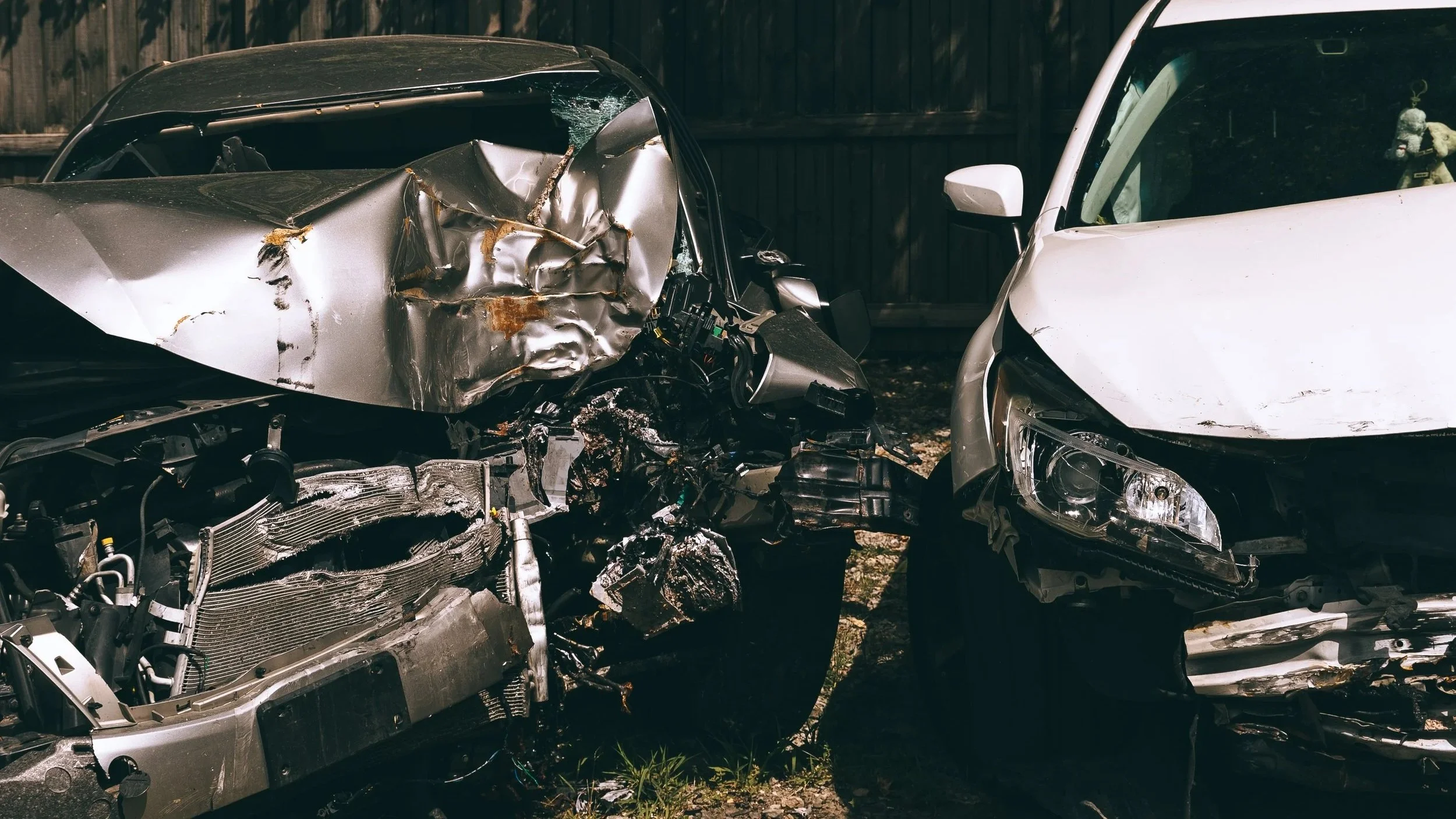
Not every fender bender should be handled the same way. One minor tap in a parking lot is different from a crash on I-75 at rush hour, and Cincinnati drivers often have to make fast calls in heavy traffic.
The first job is safety, not saving time or guessing about damage. After that, think about whether the car can be moved without adding risk, then protect yourself with photos, names, and a clear record of what happened.
Check for injuries and danger before you touch the car
Start with people, always. Ask everyone in the car if they feel pain, dizziness, shortness of breath, or nausea. Look for bleeding, shaking, pale skin, confusion, or trouble standing. Even in a low-speed crash, hidden injuries can show up late, especially with the neck, back, chest, or head.
Call 911 right away if anyone says they are hurt, if pain gets worse, or if someone seems disoriented. A car can wait. A person who says, "I'm fine," may not stay fine for long.
Then do a quick safety check around the vehicle. Look for smoke, steam, leaking fluid, a fuel smell, broken glass, downed wires, or traffic passing too close. If you're on a bridge or a busy highway and getting out would put you in danger, stay buckled inside with your hazard lights on until help arrives. If the scene feels unsafe, protect people first and worry about the car second.
Quick signs someone needs emergency help
Watch for these clear warning signs:
Head injury, confusion, or trouble speaking
Neck pain or back pain
Chest pain or trouble breathing
Heavy bleeding
Fainting, vomiting, or signs of shock
Trouble walking or standing normally
A child, older adult, or pregnant person who feels any pain after the crash
If someone looks worse a few minutes later, take that change seriously. Don't move the car first and sort it out later.
Look for hazards around the vehicle
A minor crash can still create a risky scene. Broken glass can cut you. A puddle under the car may be coolant, oil, brake fluid, or fuel. Smoke or steam from the hood can mean the engine area took a hit. Even a stopped car with light damage can become dangerous if traffic is flying by inches away.
So before you reach for your phone or step into the lane, look around. If cars are swerving around you, if you're near a blind curve, or if the lane is blocked, your goal is to get people out of harm's way. The car is not the priority.
How to move your vehicle safely after a minor crash
If no one is hurt, the car starts, and it still feels normal, moving it a short distance may be the safest choice. In Ohio, common post-crash guidance points drivers to clear traffic when they can do so safely. That can mean pulling onto the shoulder, into a parking lot, or onto a nearby side street.
Turn on your hazard lights first. If the car is stopped in gear, shift carefully. Move slowly, keep both hands on the wheel, and go only as far as needed. Once you're in a safer spot, set the parking brake and step out only if traffic allows it.
Try to preserve the scene as much as you can before moving. That matters for insurance, but so does avoiding a second crash. If staying put leaves you exposed in moving traffic, a short, careful move is often the better call.
What to photograph and exchange before you move
If it's safe to do it where the cars stopped, take quick photos first. Get wide shots of both vehicles, close shots of damage, license plates, lane position, skid marks, debris, traffic signs, and the road around you. A few clear photos now can save hours of back-and-forth later.
Then exchange the basics: names, phone numbers, insurance details, driver's license numbers, and plate numbers. If anyone saw the crash, ask for their name and number too.
Good notes help because memory gets fuzzy fast after an accident.
Move only as far as needed, then get out of traffic
The goal is a safe nearby spot, not a test drive. If the car rolls and responds normally, move it enough to clear the lane or reach a safer pull-off. Then stop.
Pay attention as soon as the car starts moving. If the steering feels off-center, the vehicle pulls hard, the tire rubs, or you hear grinding, stop right away. Strange noises are your warning that the damage may be more than skin deep.
When you should not move the car at all
Some fender benders only look minor. Leave the car where it is and wait for help if anyone is hurt, if airbags went off, if fluid is leaking, or if the car won't shift, steer, or brake like it should. The same goes for a flat tire, visible wheel damage, smoke, or a strong fuel smell.
You also should not move the vehicle if doing so would put you in a worse spot. For example, if you're sitting near a blind curve, in a packed intersection, or boxed in by fast traffic, a rushed move can create a second collision. In that case, hazard lights, seat belts, and a call for help are the safer choice.
Recent Ohio guidance also puts extra weight on calling police when injuries are reported, traffic is blocked, facts are disputed, or the crash is more than a truly minor bump. If the damage may be over a modest amount, getting a report can help later.
Damage clues that mean towing is the safer choice
Some signs point straight to a tow truck:
A bent wheel or flat tire
Fluid leaking under the car
A strong fuel smell
Steam from the hood
A cracked radiator or front-end damage
A wheel that won't point or turn correctly
These problems can get worse fast if you keep driving. A short trip can turn repairable damage into a bigger failure.
Why steering, brakes, or airbags change the decision
Steering and brakes settle the question fast. If the wheel feels loose, crooked, or hard to control, don't drive it. If the brake pedal feels soft, sinks lower than normal, or the car doesn't stop cleanly, don't try to "make it home."
Airbag deployment also changes things. Even if the outside damage looks small, the crash force may have affected sensors, front-end parts, or the steering system. When those basics don't feel normal, towing is the safe move.
Call for help, stay calm, and protect your next steps
Once everyone is safe, call the right help. That may be 911, local police, roadside help, or a tow truck. A police report can matter if the other driver changes their story or if the crash turns out to be less minor than it first looked.
Stick to the facts when you talk to police, the other driver, and your insurer. Don't admit fault at the scene. Also, if pain shows up later that day or the next morning, get checked. Soft tissue injuries often wait before they speak up.
Final thoughts
After a fender bender, the best move is often the calmest one. Check people first, scan for danger, and move the vehicle only if it can be done without adding risk.
If the car feels wrong, smells wrong, or looks unsafe, don't drive it. A simple, steady response can keep everyone safer while you wait for help to arrive.